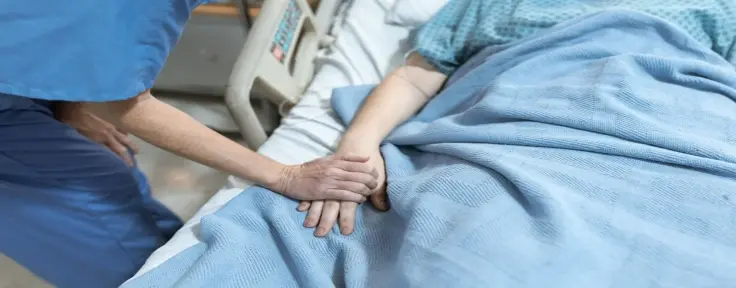
If you have ever spent time in a hospital, you know that doctors and nurses are just one part of the equation. The people who are often at the bedside, keeping the floor running and patients comfortable, are Patient Care Technicians (PCTs).
This role is a unique mix of technical medical work and hands-on empathy. If you are looking into healthcare careers, here is a realistic look at what a PCT actually does and how to become one.
The Daily Grind: What Does a PCT Do?
A shift as a PCT is incredibly hands-on. You are the frontline support for patients who are unable to manage their daily routines. This means helping them bathe, eat, dress, and move around safely.
However, it is far more than just comfort care. PCTs act as the eyes and ears of the nursing staff. You will constantly monitor and record vital signs—like blood pressure, pulse, and temperature. Because you spend so much time with the patients, you are usually the first person to notice if their condition is deteriorating, making your updates to the nursing team incredibly important.
The Technical Side of the Job
Do not let the focus on bedside manner fool you; this is a heavily clinical role. Depending on your specific workplace, your daily tasks will likely include:
-
Phlebotomy: Drawing blood and handling specimens for lab work safely.
-
EKGs: Setting up and running electrocardiograms to track a patient's heart rhythm.
-
Wound Care: Cleaning incisions, changing dressings, and preventing infections.
-
Tech Management: Operating medical equipment like glucose monitors and accurately logging everything into Electronic Medical Record (EMR) systems.
-
Medication: In some facilities, assisting with medication administration under the direct supervision of a nurse.
The Human Element
You can teach someone how to draw blood, but teaching empathy is a lot harder. Hospitals are stressful, frightening places for most people. A great PCT knows how to read the room, calm an anxious patient, and protect their dignity during vulnerable moments.
Building trust matters. When patients trust you, they are much more likely to follow their treatment plans and communicate their actual symptoms. The job requires serious physical stamina—you will be on your feet all day—but the emotional resilience to support people on their worst days is what really makes a successful technician.
How to Become a PCT
If this sounds like the right fit for you, the barrier to entry is very manageable.
-
The Basics: You need a high school diploma or a GED to get started.
-
The Training: Next, you will need to enroll in a certified PCT training program. The best programs split your time—you will learn the theory in a classroom and then practice your skills during clinical rounds in a real healthcare setting.
-
The Credentials: Once you finish your program, you have to prove your competency. You will absolutely need a CPR certification. Many techs start by earning their Certified Nursing Assistant (CNA) license, followed by passing a national Patient Care Technician certification exam. To prepare effectively and navigate the credentialing process, explore the study guides and exam resources on this healthcare certification.
Healthcare changes rapidly, so expect to keep learning and updating your certifications throughout your career. It is a demanding job, but if you want to make an immediate, tangible difference in people's lives, it is one of the best places to start in medicine.